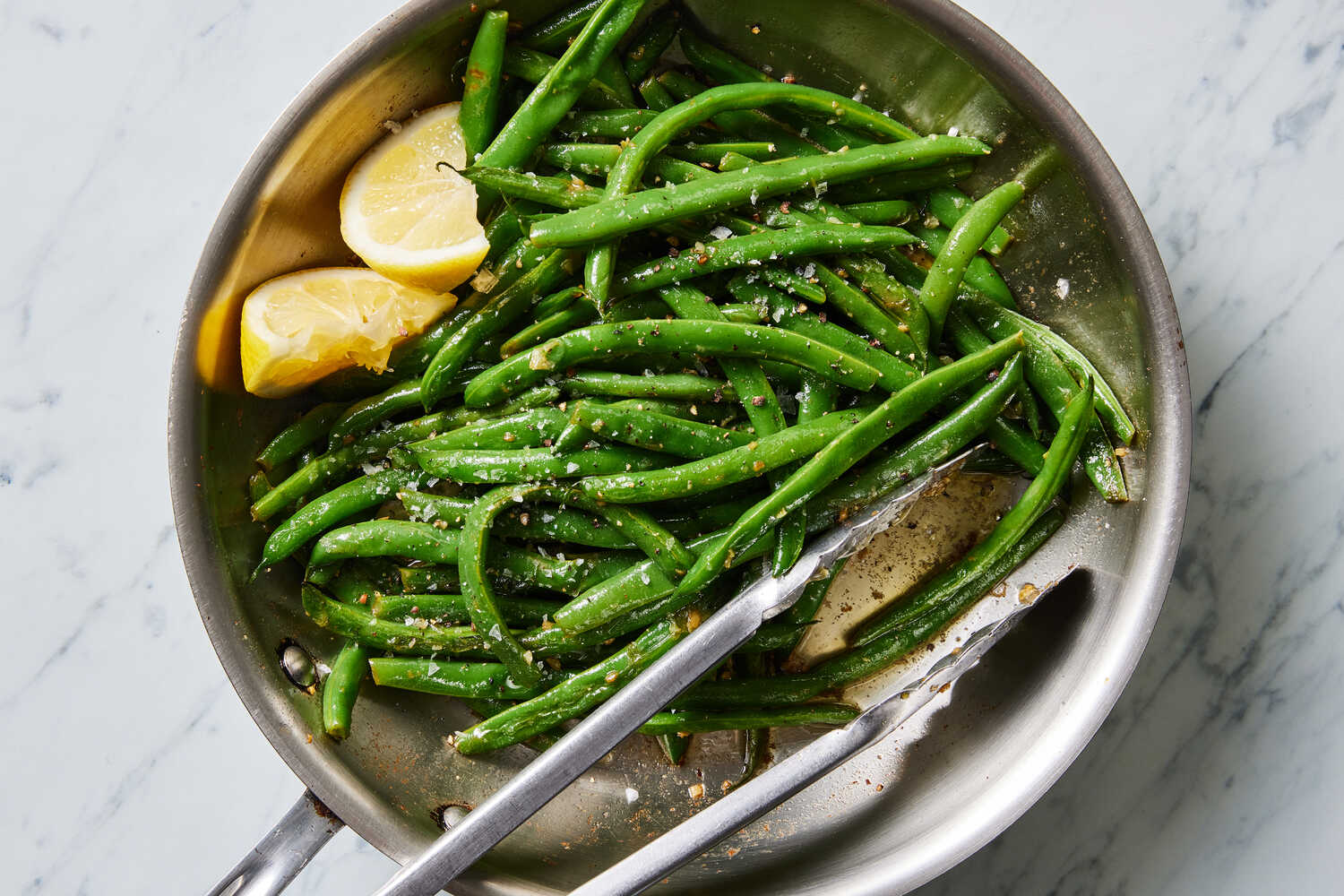
Upgrade Your Dinner: Essential Tips for Irresistible Sautéed Green Beans
For too long, green beans have been relegated to the mundane – boiled until limp, steamed until bland, or roasted without truly reaching their potential. But what if there was a way to transform this humble vegetable into a vibrant, tender-crisp side dish that steals the show? Enter the art of the
sautéed green beans. This simple skillet method unlocks a level of flavor and texture that will make you rethink everything you thought you knew about "those green things" on your plate.
Imagine green beans that are perfectly al dente, kissed with the rich warmth of butter, and highlighted by the aromatic dance of caramelized shallots and savory garlic. This isn't just a side dish; it's an experience. Best of all, this culinary revelation can be on your table in under 15 minutes, making it the perfect solution for busy weeknights or a quick upgrade to any meal. Once you discover the magic of sautéing, you'll likely agree that it's one of the absolute best ways to enjoy them, perhaps even convincing the pickiest eaters to reach for a second helping. If you're ready to unlock the full potential of this versatile vegetable, let's dive into the secrets of truly irresistible
sauteed green beans.
Why Sautéing Reigns Supreme for Green Beans
While boiling and steaming offer quick cooking, they often strip green beans of their vibrant color and firm texture, leaving them watery and uninspired. Roasting can be delicious but often requires more time and can sometimes result in dried-out beans if not managed carefully. Sautéing, however, strikes the perfect balance, delivering unparalleled taste and texture in record time.
Here's why sautéed green beans stand out:
*
The Unbeatable Tender-Crisp Texture: Unlike other methods, sautéing over medium-high heat quickly cooks the beans while retaining a delightful "snap" or "bite." This isn't just about avoiding sogginess; it's about a pleasant textural contrast that makes each mouthful enjoyable. The rapid cooking prevents them from becoming waterlogged, preserving their inherent crispness.
*
Deep Flavor Development: The direct heat of a sauté pan encourages the Maillard reaction – that magical browning process that creates complex, savory flavors. You’ll notice lightly browned, even blistered spots on your green beans, which are flavor powerhouses, adding a subtle sweetness and depth that you simply can't achieve with boiling or steaming. This caramelization elevates the beans from a simple vegetable to a flavorful component of your meal.
*
Aromatic Infusion: Sautéing provides the ideal environment to infuse your green beans with complementary flavors like garlic and shallots. These aromatics soften and release their fragrant oils into the cooking fat, which then coats and flavors every single bean. The result is a harmonious blend of fresh green bean taste with savory undertones.
*
Speed and Simplicity: This method is incredibly efficient. With just a few minutes of prep and about 5-10 minutes on the stovetop, you can have a gourmet-quality side dish. It's truly a secret to unforgettable flavor in a fraction of the time, making it an ideal choice for any dinner. For an even deeper dive into this rapid transformation, check out our article:
Why Sauté Green Beans? The 10-Minute Secret to Unforgettable Flavor.
The Foundation: Selecting and Prepping Your Green Beans
The success of your
sautéed green beans hinges significantly on the quality of your ingredients. There's no hiding subpar produce when the cooking method is this direct and focused on natural flavors.
*
Fresh is Non-Negotiable: This is perhaps the most crucial rule. Unfortunately, frozen or canned green beans simply won't yield the same results in this recipe. They tend to be too soft and contain excess moisture, which will prevent them from achieving that desirable tender-crisp texture and browning. Stick to fresh for superior flavor and texture. If fresh green beans are truly unavailable, fresh asparagus can be a suitable substitute for a similar sautéed dish.
*
What to Look For: When choosing fresh green beans at the market, seek out ones that are:
*
Bright in color: A vibrant green indicates freshness.
*
Smooth and firm: They should feel crisp and snap easily when bent.
*
Free of spots, blemishes, or dullness: These are signs of age or poor quality. Avoid any that appear soft, withered, or limp, as these will lack flavor and texture.
*
Size Matters for Optimal Texture: Petite or medium-sized green beans are generally the best choice for sautéing. They cook more evenly and quickly, offering a delicate texture. Plump, thick green beans often indicate they’ve grown past their prime stage, potentially making them tougher and less flavorful.
*
Proper Preparation: Before cooking, always:
*
Wash thoroughly: Rinse them under cold running water.
*
Trim the ends: Snap or trim off the stem ends. You can leave the tail ends if you prefer, or trim them for a neater presentation.
Mastering the Sauté: Step-by-Step for Perfection
Achieving perfectly
sauteed green beans is less about complex techniques and more about attentive execution. Follow these steps for consistently delicious results:
Essential Tools & Ingredients:
- A large skillet (cast iron or stainless steel works wonderfully)
- Fresh green beans, washed and trimmed
- Olive oil and/or butter
- Aromatics like minced garlic and thinly sliced shallots
- Salt and freshly ground black pepper
The Sautéing Process:
- Heat the Pan: Place your large skillet over medium-high heat. A hot pan is crucial for achieving that desirable sear and quick cooking. Add 1-2 tablespoons of olive oil, butter, or a combination of both. The fat should shimmer and ripple when hot, but not smoke excessively.
- Sauté Aromatics (Optional but Recommended): If using shallots, add them first and cook for 1-2 minutes until they begin to soften and caramelize slightly. Then, add your minced garlic and cook for another 30-60 seconds, until fragrant. Be careful not to burn the garlic – burnt garlic turns bitter.
- Add the Green Beans: Place the trimmed green beans in the hot skillet. Try to spread them out in a single layer as much as possible. This allows for maximum contact with the hot pan, promoting even cooking and browning. If your pan is too crowded, work in batches.
- Cook and Stir: Allow the beans to cook undisturbed for 2-3 minutes to get some initial browning and blistering. Then, toss or stir them, allowing different sides to make contact with the pan. Continue to cook, stirring every 1-2 minutes, for a total of 5-8 minutes.
- Check for Doneness: The ideal doneness for sauteed green beans is "crisp-tender." This means they are cooked through but still have a slight bite and firmness. You'll notice their color brightens, and some develop those lovely browned or blistered spots. If you prefer softer green beans, simply continue to cook them for another few minutes, tasting periodically.
- Season and Serve: Once the beans reach your desired tenderness, remove them from the heat. Season generously with salt and freshly ground black pepper. A final drizzle of extra virgin olive oil or a pat of butter can enhance their richness. Serve immediately. For more advanced techniques to perfect your green bean game, be sure to read our comprehensive guide: Master Sautéed Green Beans: Crisp-Tender Perfection in 15 Minutes.
Elevate Your Sautéed Green Beans: Flavor Variations & Add-ins
While the classic garlic and butter combination is undeniably delicious,
sautéed green beans are incredibly versatile and welcome a variety of enhancements. Here are some ideas to take your dish to the next level:
Spice It Up:
- Red Pepper Flakes: A pinch of red pepper flakes added with the garlic provides a pleasant, subtle heat.
- Sesame Oil: For an Asian-inspired twist, substitute extra virgin olive oil with toasted sesame oil during the last minute of cooking, or drizzle a tiny bit over the finished beans.
Add Sweetness & Zest:
- Honey or Maple Syrup: A tiny drizzle of honey or maple syrup towards the end of cooking can balance the savory notes and add a delightful glaze.
- Lemon Zest or Juice: A squeeze of fresh lemon juice or a sprinkle of zest at the very end brightens the entire dish and adds a fresh, tangy finish.
Crunch and Texture:
- Toasted Nuts: Almonds (sliced or slivered), pine nuts, or pecans add a wonderful crunch and nutty flavor. Add them to the pan during the last few minutes of sautéing to lightly toast, or sprinkle them over the finished dish.
- Crispy Shallots/Onions: Take your caramelized shallots a step further by cooking them until truly crispy before adding the beans.
Herbs and Umami:
- Fresh Herbs: Finely chopped fresh parsley, thyme, chives, or dill can be stirred in just before serving for an extra layer of freshness.
- Balsamic Glaze: A light drizzle of balsamic glaze can add a sweet and tangy depth, especially if you enjoy a hint of acidity.
Common Questions & Troubleshooting
Even with a simple dish, a few common questions or issues can arise. Here’s how to address them:
*
My beans are soggy/too soft: This usually happens due to overcrowding the pan (which lowers the temperature and steams the beans instead of sautéing them) or overcooking. Ensure your pan is hot enough, don't overcrowd, and keep an eye on the cooking time.
*
My beans are burnt/undercooked: If burnt, your heat might be too high. If still raw, the heat might be too low, or you haven't cooked them long enough. Adjust your stovetop temperature and stir regularly.
*
Can I use frozen or canned green beans? As mentioned, it's a firm no for this recipe. Their texture and moisture content make them unsuitable for crisp-tender sautéing.
*
What about leftovers? Sautéed green beans are best enjoyed fresh. Leftovers can become a bit soggy, but they are still edible. Store them in an airtight container in the refrigerator for 2-3 days. Adding a paper towel to the container can help absorb excess moisture. Reheat gently in a dry skillet for a few minutes to try and restore some crispness, though they may not be as firm as when freshly made.
Conclusion
Elevating your side dish doesn't have to be complicated or time-consuming.
Sautéed green beans offer a perfect example of how a few simple techniques can transform an everyday vegetable into something truly extraordinary. With their irresistible tender-crisp texture, rich buttery flavor, and aromatic hints of garlic and shallots, they are a testament to the power of a well-executed sauté. Quick, versatile, and incredibly delicious, this method is destined to become your new go-to for green beans, earning rave reviews from even the toughest critics at your dinner table. So, grab your skillet, select the freshest beans, and prepare to be amazed by how good "those green things" can truly be!